

The Safety Case for Underground Parking Cell Coverage
The Hidden Safety Gap Beneath Our Buildings
Modern condominium and apartment buildings are designed with resident comfort, convenience, and security in mind. Security cameras, access control systems, emergency alarms, and surveillance technologies have become standard features. Yet one critical safety issue often goes unnoticed until an emergency occurs: the lack of reliable cellular coverage in underground parking garages.
For many residents, underground parking facilities are the first and last spaces they encounter each day. Unfortunately, these concrete and steel structures often block cellular signals, creating communication dead zones where residents cannot make calls, send messages, or access emergency services.
In today‘s connected world, reliable cellular coverage is no longer a luxury—it is an essential component of resident safety.
Emergencies Don't Wait for Better Signal
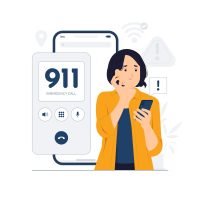
Emergencies can happen anywhere, including underground parking garages. A resident may have a medical emergency while walking to their vehicle, witness suspicious activity, become trapped in an elevator connected to the parking structure, or be involved in a collision. In these moments, fast communication with emergency responders can make all the difference.
Without cellular coverage, residents may be unable to:
Call 911.
Contact building security.
Reach family members.
Receive emergency alerts.
Share their location with responders.
Every minute spent searching for a signal can increase risk and delay assistance.
Personal Safety and Security Concerns
Parking garages can feel isolated, especially during early mornings, late evenings, and overnight hours when foot traffic is low. For residents walking to and from their vehicles, reliable cellular coverage adds an important layer of personal security and peace of mind.
With a working mobile connection, residents can:
Report suspicious activity quickly.
Contact security personnel when needed.
Use safety apps with real-time location sharing.
Access emergency contacts immediately.
Stay connected while moving through the parking facility.
A connected parking environment helps residents feel safer, more supported, and more confident every day.
Supporting First Responders During Critical Incidents
Reliable cellular coverage benefits more than residents—it also supports emergency personnel. During an incident, first responders rely on mobile communications, data access, mapping tools, and coordination systems to respond quickly and effectively. Poor signal conditions can disrupt communication between emergency teams and slow response efforts.
Enhanced cellular coverage in underground structures helps ensure that:
Emergency calls are received without interruption.
First responders can communicate clearly.
Location information can be shared accurately.
Emergency operations move more efficiently.
When every second matters, reliable communication becomes a critical part of emergency response.
The Growing Dependence on Mobile Technology
Today’s residents use their smartphones for far more than voice calls. Many building services now depend on mobile connectivity, including:
Digital access credentials.
Visitor management systems.
Security applications.
Building communication platforms.
Emergency notification systems.
When underground parking areas lack cellular coverage, these essential services can become unavailable exactly when residents need them most.
Enhancing Resident Satisfaction and Property Value

Safety is one of the most important considerations for prospective buyers and renters. Buildings that provide reliable cellular connectivity throughout all common areas—including underground parking garages—demonstrate a commitment to resident well-being and modern infrastructure.
Benefits include:
Improved resident confidence
Enhanced building reputation
Increased tenant satisfaction
Greater property appeal
Future-ready infrastructure
As connectivity expectations continue to rise, cellular coverage is increasingly becoming a competitive differentiator for residential properties.
Future-Proofing Residential Communities
The demand for reliable wireless connectivity will only continue to grow. From connected vehicles and smart building technologies to enhanced emergency communication systems, underground parking facilities must support the communication needs of the future.
Investing in cellular coverage today helps ensure that buildings remain safe, connected, and prepared for evolving resident expectations and emergency response requirements.
How EWEE Can Help Identify Coverage Gaps
Before a building can improve cellular coverage, it must first understand where coverage gaps exist. Many condominium boards and property managers are surprised to learn that dead zones extend beyond underground parking garages into stairwells, elevators, mechanical rooms, and other critical common areas.
To help building owners evaluate their current wireless environment, EWEE offers a complimentary cellular coverage heat map assessment. This service provides a visual map of signal strength throughout the property, helping identify areas where residents, visitors, and first responders may experience weak or unreliable connectivity.
The assessment helps property managers and condominium boards:
Identify cellular dead zones and weak signal areas.
Evaluate potential safety risks caused by communication gaps.
Understand the extent of coverage issues across the property.
Develop a strategic plan for future connectivity improvements.
Make informed infrastructure and budget decisions.
By combining real-world data with wireless expertise, EWEE helps residential communities take a proactive approach to improving safety and connectivity. The complimentary heat map provides valuable insight to guide future investments and help ensure residents stay connected wherever they are on the property.
Book your complimentary cellular coverage heat map assessment today.
Whether it is in your underground parking, or other dead-zones in your building, EWEE Inc. can uncover all weak signal and help get you consistent coverage.